Your search for 广东政府采购智慧云平台 returned 5,571 results.

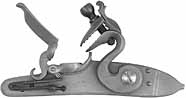
Durs Egg - London left Flint Lock Perhaps London’s most innovative lock and gun maker, Mr. Durs Egg immigrated from Switzerland, setting up shop in London, the world’s arms making center in his time. Actually, “Durs” was a nickname, but Mr. Egg adopted it as his own. We are glad he did. Once you have used this lock, you will never confuse the “Durs

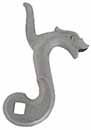
cock, left, wax cast steel, 1.4" throw, tapped 1/4-28 A fly detent prevents the sear from snagging the half-cock notch when fired. Used with plain or set triggers. Nearly as large as the left Siler lock, it will fit straight or swamped barrels from 3/4" to 1-1/8" octagon at the breech. Notice the "cut away" tumbler and "swing out" link, which great
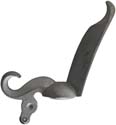
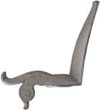
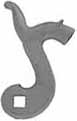
frizzen, left, wax cast steel, as cast, temper after fitting A fly detent prevents the sear from snagging the half-cock notch when fired. Used with plain or set triggers. Nearly as large as the left Siler lock, it will fit straight or swamped barrels from 3/4" to 1-1/8" octagon at the breech. Notice the "cut away" tumbler and "swing out" link, whic
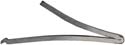
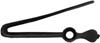
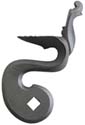
mainspring, left, tempered steel, tempered A fly detent prevents the sear from snagging the half-cock notch when fired. Used with plain or set triggers. Nearly as large as the left Siler lock, it will fit straight or swamped barrels from 3/4" to 1-1/8" octagon at the breech. Notice the "cut away" tumbler and "swing out" link, which greatly simplify
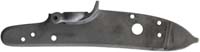
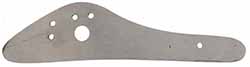
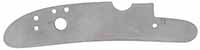
plate, left, wax cast steel, .94" x 5.1", tapped 6-40 A fly detent prevents the sear from snagging the half-cock notch when fired. Used with plain or set triggers. Nearly as large as the left Siler lock, it will fit straight or swamped barrels from 3/4" to 1-1/8" octagon at the breech. Notice the "cut away" tumbler and "swing out" link, which great
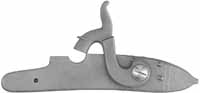
Durs Egg - London left Percussion Conversion Lock Best quality London made flint locks were often converted to percussion, during the 1825 - 1840 transition period. This nice percussion lock has the plate style of an earlier flint lock, with a notch for a 1/2" powder drum and nipple. A fly detent prevents the sear from snagging the half-cock notch
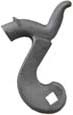
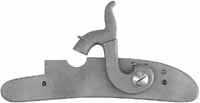
H. E. Leman, Henry Derringer, and many other Pennsylvania & Ohio rifle makers used this style lock on “trade rifles” sold by merchants and traders to westbound emigrants. Correct for late longrifles and Indian trade rifles of the 1840 to 1880 era. Locks used by Henry Leman’s factory often have a distinctive flat tail at the rear of the lock. We lea
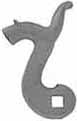
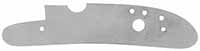
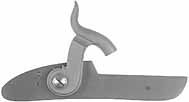
English Bar right Percussion Lock, with early flat hammer The English “bar" lock is so-called because it uses a “drip bar" soldered to the barrel, instead of wood above the lock plate. This improvement eliminates wood in this critical area ahead of the nipple, where constant over-spray might char it. Most better London & Birmingham makers used “bar
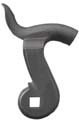
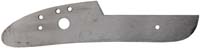
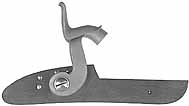
English Bar right Percussion Lock, with Express hammer The English “bar" lock is so-called because it uses a “drip bar" soldered to the barrel, instead of wood above the lock plate. This improvement eliminates wood in this critical area ahead of the nipple, where constant over-spray might char it. Most better London & Birmingham makers used “bar" l
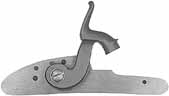
H. E. Dimick - Saint Louis, right Percussion Lock Horace E. Dimick built plains rifles in Saint Louis, using English style bar locks. Most often he omitted the “drip bar”, and this lock is typical, with a rounded front end to be inlet flush into the lock panel. Polished bright inside, this lock features an abbreviated bolster, fly detent in the tum
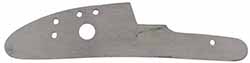
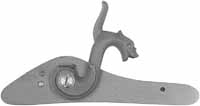
A classic late Germanic style percussion lock, with smooth curves all around the lock plate. The front of the plate is long enough to allow using two lock bolts, although one lock bolt is more typical in this late percussion era. The hammer has a long throw to reach the nipple on nearly any hooked or solid patent breech. The highly styled gargoyle